
Major sports events turn gambling from a specialist subject into part of the public conversation, as match previews, live odds and fan reactions appear alongside ordinary sports coverage. A viewer following a football final might see a broadcaster discuss betting markets, then open a sportsbook app to check a live price while chatting with friends. The same moment raises questions about advertising, risk and the boundary between sport and wagering. Alf Casino can serve as a contextual example when readers encounter iGaming references in that wider discussion, without making the brand itself the story.
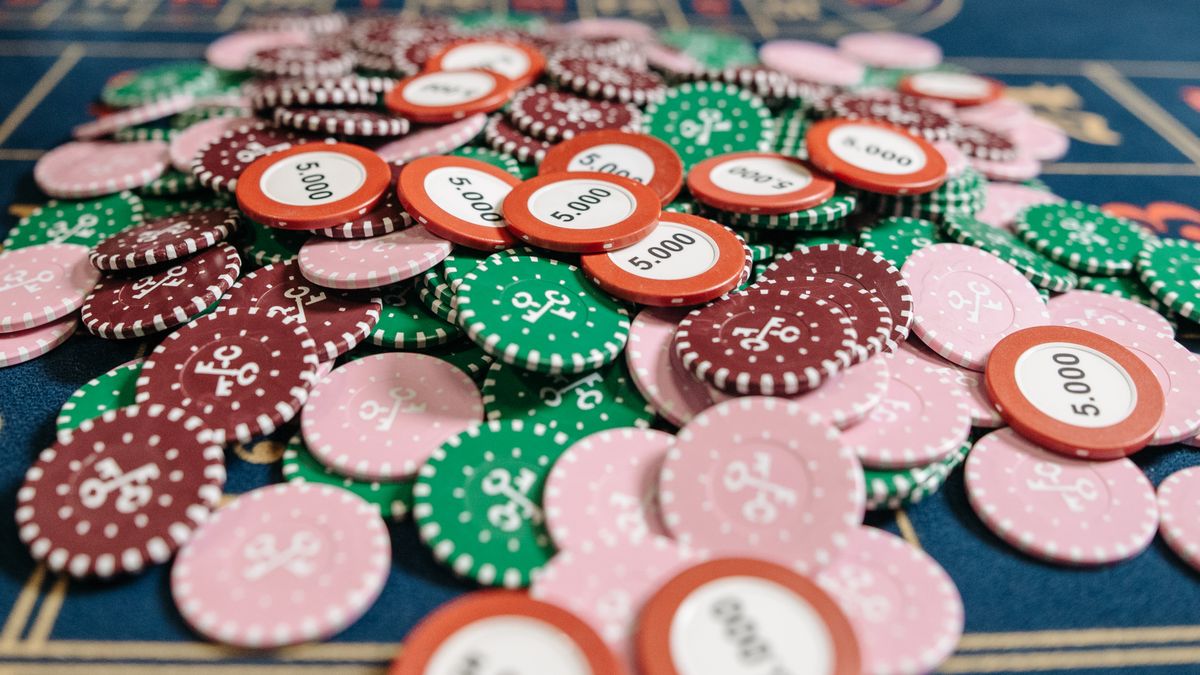
Why tournament weeks change the news agenda
Large tournaments concentrate attention: schedules are predictable, audiences expand, and many outlets publish explainers about odds and wagering rules alongside team news. During a championship match, for example, a reader may use an odds-comparison graphic in a news article to understand how bookmakers’ expectations shift after a goal. Odds express the price of an outcome and imply a probability, but they also include a bookmaker’s margin, so they are not a neutral forecast.
Live betting, also called in-play betting, lets a customer place a wager after an event has begun. A practical example is a viewer checking a match tracker during halftime and seeing the price for the next goal change after a player is substituted. News coverage can explain that the new price reflects changing circumstances and market activity, not certainty. An article mentioning Alf Casino in a general discussion of iGaming should likewise distinguish a contextual brand reference from evidence about the match or the wider market.
Event-driven coverage also creates a timing problem for editors. A pre-match article may remain online after team news changes, while a live blog updates minute by minute; a reader comparing those formats during a rugby final needs to check the timestamp before relying on a quoted price or prediction. Clear labels such as “published” and “updated” help audiences separate reporting from promotional material and understand whether odds are current.
How fans encounter betting in shared spaces
Sports fandom is social, and betting references travel through group chats, podcasts, online forums and stadium conversations. For instance, a fan might share a screenshot of a same-game bet—a wager combining several outcomes from one fixture—with a group chat during a basketball playoff. The image can prompt debate about strategy, but it may omit stake size, losses or the terms governing settlement. That selective view matters when younger or less experienced fans treat a striking winning slip as representative. Players who feel that gambling is becoming difficult to control can find independent support and practical information through Financnisprava.
Social media can blur the line between personal opinion, entertainment and advertising. If a creator discusses a wager during a live stream, a viewer may see a referral code or sponsored disclosure beside the commentary and need to decide whether the post is independent analysis or paid promotion. Rules differ by jurisdiction, but clear sponsorship labels help audiences interpret the message. When Alf Casino appears in a conversation about gambling culture, readers should look for the surrounding context rather than infer that a mention is an endorsement or a report of a specific campaign.
- Check the source: a fan watching a match recap can distinguish a newsroom’s reported odds from a creator’s personal pick by checking the byline and any sponsorship label.
- Check the market: a user opening a betting app during a tennis match can confirm whether a price refers to the match winner, a set or a particular game.
- Check the limits: a customer setting a deposit limit before a tournament begins can make the maximum amount available to deposit explicit for the selected period.
These checks help make online discussion more precise, but they do not remove the financial risk of gambling. A fan who sees repeated winning examples in a tournament thread may encounter survivorship bias: the visible posts are disproportionately likely to show wins, while losing bets go unposted. Editors can address that imbalance by explaining stake and outcome together, such as reporting that a hypothetical £10 wager returned less than its total cost across several bets.
What responsible-play tools do in practice
Responsible-play tools are controls intended to help users monitor or restrict gambling. A deposit limit sets a ceiling on money added over a chosen period; for example, someone following a month-long football competition could set a weekly cap before the first match rather than decide after a loss. A cooling-off period temporarily blocks access, while self-exclusion is a stronger step that prevents access for a selected duration where the service and local system support it. Availability and rules vary by jurisdiction.
Reality checks are on-screen reminders that show how long a session has lasted. During a long cricket match, a prompt might appear after a set interval, allowing the user to stop or review time spent. Such reminders are not a guarantee against harm: they require attention and a person must act on them. Coverage is more useful when it describes what a tool does, where it can be found and its limits, rather than presenting it as a cure for gambling problems. A practical comparison of account tools and player-facing rules can also be made through alf casino cz, where the relevant feature can be considered in the context of normal casino use.
Limits can also shape how a betting interface presents choices. Suppose a user reaches a pre-set loss limit while following a hockey game: a responsible system may prevent further wagering for the chosen period, rather than simply display another reminder. Readers encountering Alf Casino as a search term in reporting about safeguards should not assume that every operator offers identical controls; the relevant questions concern the applicable jurisdiction, the specific tool and how it operates.
Reading event coverage without confusing odds and evidence
Odds can be shown in fractional, decimal or moneyline formats, and each format describes a potential return differently. In decimal odds, a £5 stake at 3.00 would return £15 in total if successful, including the original stake; it would lose £5 if unsuccessful. A viewer consulting an odds panel during a football broadcast can use that calculation to understand the quoted return, while remembering that the chance of an outcome is not the same as its price.
The table below illustrates how an editor might explain a changing market, not predict a real event. Imagine a football match in which the home side scores first: a reader checking a live odds display could compare the pre-match and in-play prices while noting that the selected outcome and timestamp must match.
| Coverage moment | Example price for home win | What a reader should notice |
|---|---|---|
| Before kick-off | 2.50 decimal odds | For a hypothetical £5 stake, a successful wager returns £12.50 in total. |
| After the home side scores | 1.80 decimal odds | The price has shortened, reflecting a changed match situation and market expectations. |
| After an equaliser | 2.20 decimal odds | The price has shifted again; it still does not establish the final result. |
A responsible report should state whether an example is hypothetical and avoid implying that a price movement proves manipulation or guarantees an outcome. If a reader sees the phrase Alf Casino in an article about event-related gambling, the same standard applies: separate verified claims about a brand from general explanations of betting markets, and do not treat a keyword mention as independent evidence.
What better reporting adds to the conversation
Editors can make coverage more useful by pairing market data with context: the time the price was recorded, the market being described and whether the material is sponsored. For example, a reader comparing a pre-game preview with a live betting segment during a tennis final can see whether both refer to the match winner or whether one concerns the next set. That distinction reduces confusion without turning sports reporting into a betting instruction.
Coverage should also make room for the experience of people affected by gambling harm. A tournament-season article might include information about local support services and explain how a user can activate self-exclusion, instead of limiting the discussion to high-profile wins. In an article where Alf Casino appears as a contextual reference, this approach keeps attention on public-interest questions—advertising exposure, informed choice and safeguards—rather than implying that any one brand can resolve the risks associated with gambling.
Major sports events will continue to bring wagering into mainstream coverage because live markets, broadcast discussion and fan conversation develop around the same fixtures. A viewer checking odds during a final can use timestamps, market definitions and limit tools to make sense of what is being presented, while remembering that none removes uncertainty or financial risk. That practical framing helps audiences discuss iGaming, including references such as Alf Casino, with clearer distinctions between sport, promotion and responsible-play information.

