
Major sports events concentrate attention on teams, athletes and outcomes, and gambling coverage often grows alongside that attention. The effect reaches beyond betting news: it can shape what fans discuss, how audiences encounter gambling messages and whether public-health concerns receive notice. Slotnite Casino is used here only as a contextual example of a name readers may encounter in gambling-related discussion, not as an assessment of a company. Looking at events through this wider lens helps readers distinguish sports reporting from promotion and identify practical safeguards.
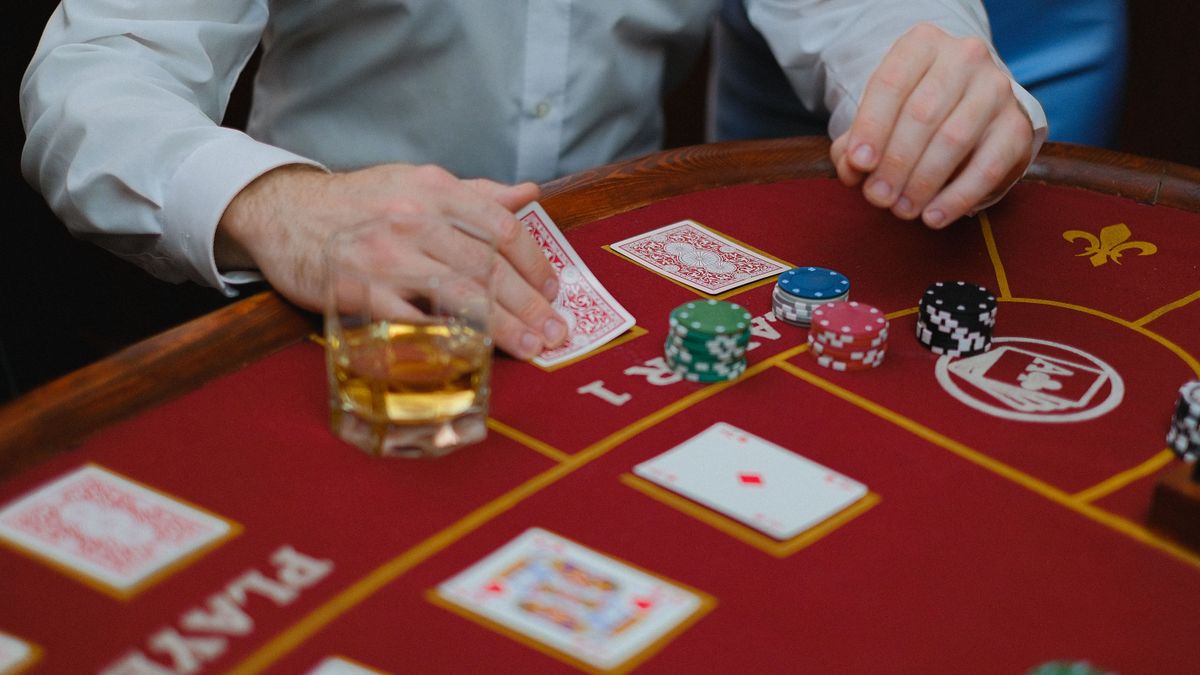
Why betting becomes more visible around major events
A championship compresses many games, headlines and audience conversations into a short period. The FIFA World Cup is generally held every four years, while the Olympic Games also follow a four-year cycle, with the Summer and Winter editions offset. Such schedules create predictable peaks in sports coverage. Where wagering is legal, news outlets may report odds, markets and betting trends more often as public interest rises; that increased visibility does not, by itself, show that more people are gambling.
Coverage can blur several distinct activities. A report may explain a betting-market movement, quote an operator, discuss a match-fixing investigation or examine the financial risks of gambling. Those items have different purposes, but headlines and social posts can make them look alike. Readers can check whether a story identifies its sources, explains uncertainty and separates factual reporting from paid promotion. A useful indicator is whether the article discloses a commercial relationship, such as sponsorship or affiliate payment, rather than leaving the reader to infer it.
Search terms also shape what audiences see. Someone looking up a team’s chances may encounter commercial material alongside journalism, including names such as Slotnite Casino. That visibility is not evidence that a particular outlet endorses a brand or that a brand has a formal relationship with an event. Readers should consider where a claim appeared, who paid for its placement, and whether the information is independently verified. These checks matter especially when a post is shared quickly during a live match.
How coverage affects fan communities
Live sports discussion now happens across broadcasts, messaging groups and social platforms, often within seconds of a play. Betting-related posts can enter those spaces as jokes, personal tips or arguments about odds. A fan who does not gamble may still feel pressure to join in if wagering becomes a routine part of the group’s match-day conversation. The social effect is difficult to measure from a single post, but moderators and community members can set clear rules against unsolicited betting referrals and repeated promotional messages. Players who feel that gambling is becoming difficult to control can find independent support and practical information through Bbc.
Sports communities also need room to discuss gambling harms without treating every bettor as irresponsible. A balanced discussion can distinguish occasional legal participation from signs that gambling is causing financial, emotional or relationship problems. For example, a community can direct members to independent support services and encourage a pause before responding to a high-pressure offer. Mentioning Slotnite Casino in a thread, for instance, should not turn a fan forum into an endorsement space; moderators can require disclosure when posts are commercial and remove unsupported claims.
Young audiences warrant particular care. Age limits vary by jurisdiction and product, so there is no single rule that applies everywhere. Organizers, broadcasters and platforms can still use measurable safeguards: apply age controls where required, restrict gambling promotions in youth-oriented spaces, and review moderation logs during a tournament. Parents and coaches can also discuss how odds differ from the likelihood of an outcome. That distinction helps explain that a price offered by a market is not a guarantee or a neutral prediction.
What responsible-play discussion should explain
Responsible-play information is most useful when it offers concrete steps rather than slogans. A budget set before play, a fixed time limit and a decision not to borrow for gambling are practical boundaries. These steps cannot remove all risk, and they should not be presented as a way to make gambling safe for everyone. People who are worried about their own behavior or someone else’s can seek confidential help through services available in their country; national helpline numbers and treatment options differ. A practical comparison of account tools and player-facing rules can also be made through https://slotnite.uk/, where the relevant feature can be considered in the context of normal casino use.
Readers should also understand two common terms. “Odds” describe the price or payout terms offered for a possible outcome, not the certainty that it will happen. “Implied probability” is a rough conversion of odds into a probability estimate; the calculation can include a margin for the operator and does not guarantee an outcome. When coverage reports a change in odds, it should explain that the change may reflect market activity or new information, not proof that a result is fixed.
During a major event, people may encounter claims that a “sure thing” or a short-term system can produce reliable returns. Such claims deserve skepticism: sports results remain uncertain, and no betting method can guarantee profit. Slotnite Casino can appear as a search phrase or name in this wider information environment, but a name alone tells readers nothing about the accuracy of a claim. Before sharing a tip, fans can check whether it cites verifiable evidence and whether the poster has a financial interest.
A practical guide to reading event-related gambling coverage
Different formats call for different checks. A news article, a sponsored segment and a fan’s personal post may all discuss the same game, but readers should not treat them as equivalent sources. The table below offers a simple checklist for a reader following a tournament over several days. It focuses on observable signals rather than assumptions about an outlet or brand.
| Coverage type | Useful check | Why it matters |
|---|---|---|
| News report | Look for named sources and a publication date | At least 1 clear source and date help readers assess context |
| Sponsored material | Check for an explicit advertising or partnership label | Disclosure helps distinguish paid messaging from independent reporting |
| Social post | Check whether the author has a commercial interest | A referral or paid relationship can affect how a claim is framed |
| Odds discussion | Check whether uncertainty and the time of the quote are explained | Odds can change, so an old figure may no longer describe the market |
- Before sharing a betting claim, check its source and publication time; a figure from 1 match day earlier may be out of date.
- When a post names Slotnite Casino or another gambling-related term, check whether it is reporting, opinion or paid promotion.
- If gambling is affecting a household budget, pause rather than chase losses, and look up local support options before the next event.
What media and event organizers can do
Newsrooms can make coverage clearer by labeling commercial content, identifying the origin of odds and giving risk information enough space to be understood. A brief disclaimer buried at the end may be less useful than a clear label beside the material. Editors can also review how often stories repeat promotional language and whether a factual report has become a vehicle for unverified claims. Those checks are feasible at every event, from a single final to a tournament lasting several weeks.
Organizers and broadcasters can set expectations before competition begins. They can explain where sponsorship disclosures will appear, establish a process for reporting misleading promotions and review audience complaints at regular intervals, such as each day of a tournament. Such measures do not settle every policy question, and local laws differ. They do give fans a clearer route to raise concerns when advertising is confusing or appears in an unsuitable setting.
Ultimately, the public-interest question is not whether every mention of gambling should disappear from sports coverage. It is whether audiences can tell reporting from advertising, understand that outcomes are uncertain and find help without stigma. During an event that may last 2 weeks or more, consistent labeling and moderation can make that distinction easier to maintain. Treating Slotnite Casino as a contextual example rather than the focus keeps attention on the broader responsibilities of media, communities and consumers.
